
Top Right Links


by Paul Clarkson, Principal Consultant
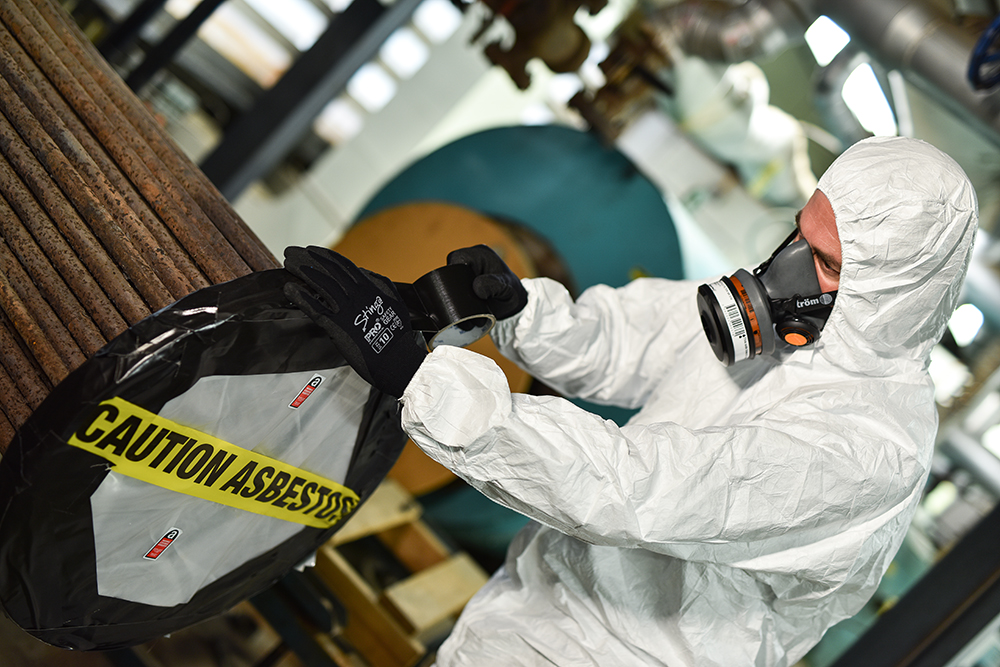
Once widely used in construction due to its fire-resistant and insulating properties, asbestos is now well-known for posing severe health risks when its respirable fibres are inhaled. Therefore, it is crucial for commercial building owners and managers to understand the importance of regular asbestos inspections.
In this blog post, we will explore the recommended frequency for asbestos checks in commercial buildings to ensure the safety of occupants, trades people working within the buildings, and ensure compliance with state specific legislation.
Before delving into the inspection frequency, let's briefly understand what asbestos is and why it poses a risk. Respirable asbestos fibres, when released into the air, can be inhaled, and accumulate within the lungs over time, causing pulmonary toxicity. Prolonged exposure to asbestos fibres has been linked to serious health conditions such as lung cancer, mesothelioma, and asbestosis. These diseases often have a long latency period, so understanding and mitigating exposure is critical.
In many countries, including Australia, specific regulations govern the management and handling of asbestos, especially within commercial buildings. Compliance typically includes compiling and maintaining an accurate Asbestos Register with detailed risk assessment, and a suitable Asbestos Management Plan. A building built prior to the 31 December 2003 is required under tall state based legislation to be assessed for asbestos containing materials (ACM).
Under WHS and the Victorian OHS legislation, there is more onus on the Person Conducting a Business or Undertaking (PCBU) to ensure compliance; training in the use and application of the Asbestos Register and Management Plan is also required for those persons who may encounter or undertake ‘asbestos related work’.
Although the minimum benchmark of a 5 year review has been established in all state specific legislation, the frequency of asbestos inspections can vary depending on various factors, including the risk ACM poses to occupants and workers, upcoming works, refits or planned maintenance. While there is no one-size-fits-all answer, here are some general guidelines to consider:
Maintaining a safe environment for occupants in commercial buildings necessitates proactive asbestos management. Adhering to local regulations, conducting initial and periodic inspections, and implementing proper risk assessment and management plans are essential steps. By staying vigilant and addressing any asbestos-related concerns promptly, building owners and managers can ensure the well-being of everyone within their premises.
Remember, the information provided here is general guidance. It is always advisable to consult with asbestos professionals and local authorities to determine the specific requirements for your commercial building.
On January 18, 2024, SafeWork Australia made a significant adjustment to the Workplace Exposure Standard (WES) for Welding Fume (not otherwi...
Pseudomonas aeruginosa could be responsible for a high burden of disease, and should always be included in a risk management plan....
Throughout 2023 there was a surge in venue managers looking to help clients feel at ease in regards to indoor air quality....

We believe tenants should engage with landlords on the indoor environment quality with the same level of importance at which they consider the energy consumption of a building – it will improve their bottom line faster!