

Top Right Links


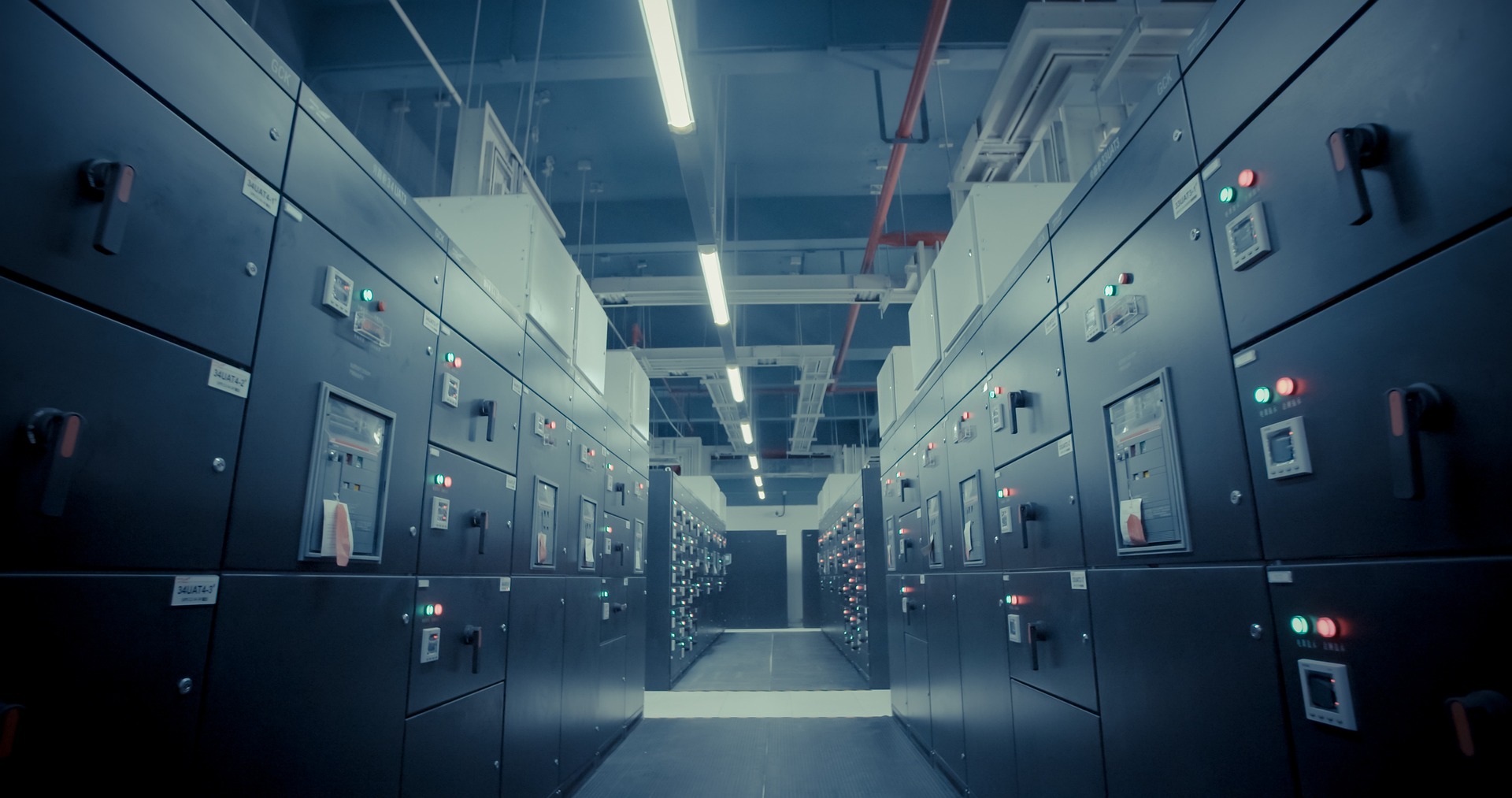
Data centres are a vital component of modern information technology infrastructure, providing a secure and centralised location for the storage and processing of vast amounts of data, storing everything from the money in your bank account, to those precious family photos on Facebook.
However, these facilities can be negatively impacted by poor air quality, which can result in equipment damage, increased downtime, and loss of data.
According to research from the American Society of Heating, Refrigeration, and Air-Conditioning Engineers (ASHRAE), monitoring and controlling gaseous pollutants in data centres is crucial as they can result in substantial harm.
As a data centre manager, the importance of cooling and humidity control is already understood, with established equipment and procedures in place. But, have measures been taken to prevent corrosion due to airborne contamination?
This article aims to explore the mechanisms by which poor air quality can affect data centre equipment, the types of pollutants involved, and to outline strategies for mitigating this risk.
Poor air quality refers to the presence of harmful substances in the atmosphere that can cause damage to electronic equipment.
These substances may include particulate matter, volatile organic compounds, moisture, and other contaminants.
Pollutants that can cause corrosion and damage to electronic equipment include:
Data centres are particularly vulnerable to the effects of poor air quality due to the high density of electronic equipment and the close proximity of these components to each other.
Poor air quality can cause a range of problems for data centres, including corrosion, oxidation, and other forms of damage to sensitive electronic components.
In addition, the accumulation of contaminants on surfaces can result in electrical shorts and equipment failure.
Poor air quality in data centres can result in significant consequences, including increased downtime, loss of data, and increased maintenance costs.
Additionally, over time, poor air quality can cause degradation of equipment, reducing its lifespan and requiring frequent replacement.
The increasing popularity of free-cooling technology, which promotes sustainability and cost savings in energy, is a positive development. However, the introduction of this technology leads to a higher intake of outdoor air into the data centre, thereby significantly elevating the possibility of pollutant infiltration. As a result, monitoring temperature and humidity alone is insufficient, and monitoring for known pollutants is necessary.
To minimise the impact of poor air quality on data centre equipment, it is crucial to implement effective mitigation strategies, including:
By understanding the specific pollutants involved and implementing effective mitigation strategies data centre operators can minimise the risk of equipment damage and ensure that their facilities operate at peak performance.
QED is the first and only organisation in Australia to hold NATA accreditation for Indoor Air Quality inspections. To find out more you can get in touch with us here.
On January 18, 2024, SafeWork Australia made a significant adjustment to the Workplace Exposure Standard (WES) for Welding Fume (not otherwi...
Pseudomonas aeruginosa could be responsible for a high burden of disease, and should always be included in a risk management plan....
Throughout 2023 there was a surge in venue managers looking to help clients feel at ease in regards to indoor air quality....


We believe tenants should engage with landlords on the indoor environment quality with the same level of importance at which they consider the energy consumption of a building – it will improve their bottom line faster!